If you are involved in an accident with an uninsured driver, you should report the crash to law enforcement, seek medical attention if needed, gather evidence, notify your insurance company, and determine whether uninsured motorist coverage applies to your claim. Although the at-fault driver may not have insurance, you may still be able to recover compensation through your own policy or other available legal options.
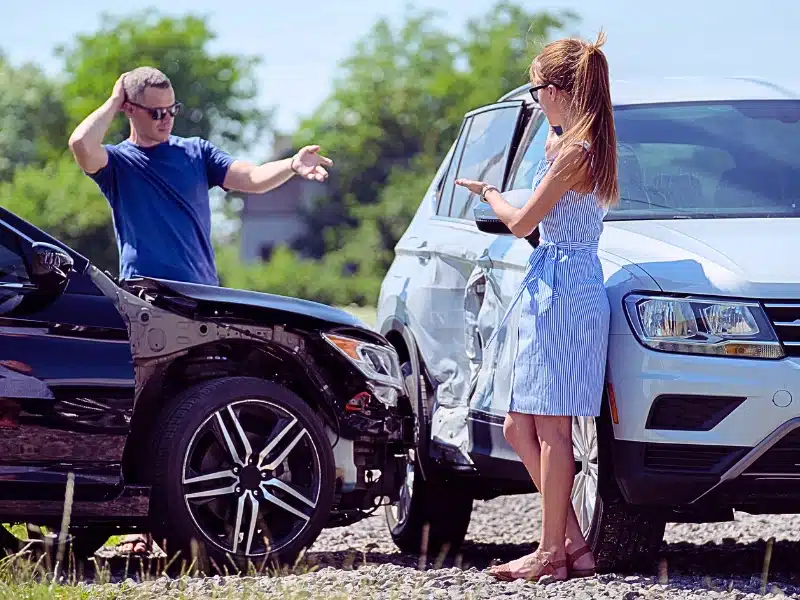
An accident with an uninsured driver does not automatically prevent you from recovering damages. Illinois requires most auto insurance policies to include uninsured motorist coverage, which may help pay for medical expenses, lost wages, and other losses when the at-fault driver lacks insurance. In some situations, additional claims or legal action may also be available depending on the circumstances of the crash.
Because evidence can disappear quickly and insurance companies often begin investigating immediately, it is important to document the accident, preserve records, and understand your rights as soon as possible. Taking the right steps early can strengthen your claim and improve your ability to pursue fair compensation.
If you were injured in an accident involving an uninsured driver, contact DePaolo Zadeikis & Pino, LLC at 312-263-7560 to discuss your legal options.
Key Takeaways
- An accident with an uninsured driver does not automatically prevent you from recovering compensation.
- Illinois drivers typically have uninsured motorist coverage through their own insurance policies.
- Uninsured motorist claims may cover medical expenses, lost wages, and pain and suffering.
- Hit-and-run accidents are often treated similarly to uninsured motorist claims.
- Lawsuits against uninsured drivers may be possible in some situations.
- Legal representation may help maximize the value of an uninsured motorist claim.
What Should You Do After an Accident With an Uninsured Driver?
The steps you take immediately after an accident can affect your ability to recover compensation. If you discover the other driver does not have insurance, you should:
- Call law enforcement and report the accident.
- Seek medical attention as soon as possible.
- Exchange identifying information if available.
- Take photographs of vehicle damage and the accident scene.
- Collect witness information.
- Notify your insurance company promptly.
- Preserve medical records and accident-related expenses.
These steps help establish what happened and create documentation that may be necessary when filing a claim. Even if the other driver admits fault, do not assume your insurance company will automatically approve your claim without supporting evidence.
Can You Recover Compensation After an Accident With an Uninsured Driver?
One of the biggest misconceptions surrounding an accident with an uninsured driver is that victims have no way to recover compensation. In reality, many injured drivers pursue recovery through uninsured motorist coverage or other legal options. Millions of drivers nationwide remain uninsured, making an accident with an uninsured motorist more common than people may realize.
Your ability to recover compensation will depend on:
- Available insurance coverage
- The severity of your injuries
- Liability for the crash
- The terms of your policy
- Whether other parties may share responsibility
The fact that the at-fault driver lacks insurance does not necessarily mean you must absorb the financial consequences yourself.
How Does Uninsured Motorist Coverage Work in Illinois?
Illinois requires auto insurance policies to include uninsured motorist coverage. Uninsured motorist coverage is designed to protect you when the at-fault driver either:
- Has no insurance coverage
- Cannot be identified
- Leaves the scene of the accident
- Is involved in a qualifying hit-and-run collision
An uninsured motorist claim is filed through your own insurance company rather than the at-fault driver’s insurer.
Depending on your policy, uninsured motorist benefits may help compensate you for:
- Medical expenses
- Future treatment costs
- Lost wages
- Reduced earning capacity
- Pain and suffering
- Permanent injuries
Many drivers are surprised to learn that even though they are dealing with their own insurance company, disputes can still arise regarding liability and damages.
What If the Accident Was a Hit-and-Run?
A hit-and-run accident often creates many of the same challenges as a crash involving an uninsured driver. If the responsible driver cannot be located, uninsured motorist coverage may apply depending on the circumstances. Knowing what to do after a hit-and-run accident is important because insurance policies frequently require prompt reporting and cooperation during the investigation process.
Evidence that may help support a claim includes:
- Police reports
- Witness statements
- Surveillance footage
- Dashcam recordings
- Photographs from the scene
Because identifying the driver is often impossible, documentation becomes especially important.
Should You Sue an Uninsured Driver?
In some situations, filing a lawsuit against the uninsured driver may be an option.
A successful lawsuit can result in a judgment for:
- Medical expenses
- Lost income
- Pain and suffering
- Property damage
- Other accident-related losses
However, obtaining a judgment and collecting compensation are two different issues.
Many uninsured drivers lack significant assets or income. Even if you win a lawsuit, collecting the judgment may prove difficult if the driver lacks resources. That is why uninsured motorist coverage is often the primary source of recovery in these cases. An attorney can help evaluate whether pursuing legal action against the driver is likely to be worthwhile based on the available facts and financial circumstances.
What If You Were Partially Responsible for the Accident?
Not every accident involves a completely innocent victim. Illinois follows a modified comparative negligence system, which means compensation may be reduced if the injured person shares responsibility for the crash. For example, if a person is found 20% responsible for the accident, their compensation may be reduced by 20%.
Questions about compensation become especially important if you were partially at fault because insurance companies often attempt to assign greater responsibility to reduce payouts. This is one reason evidence and legal representation can be particularly important following a serious accident.
When Should You Hire a Lawyer After an Accident With an Uninsured Driver?
Legal representation may be particularly valuable when:
- Serious injuries are involved
- Liability is disputed
- The insurer denies coverage
- Settlement offers appear inadequate
- Multiple parties may be responsible
- Future medical treatment is expected
An attorney can investigate the accident, gather evidence, communicate with insurance companies, and advocate for compensation that reflects the full extent of your damages. Early legal involvement can also help preserve evidence and prevent mistakes that could weaken a claim.
Protecting Your Rights After an Accident With an Uninsured Driver
An accident with an uninsured driver can create uncertainty, but it does not eliminate your ability to pursue compensation. Uninsured motorist coverage, potential legal claims, and other available resources may help cover your losses and support your recovery. The key is acting quickly, preserving evidence, and understanding the options available under Illinois law.
If you have been injured in an accident involving an uninsured driver, contact us or call DePaolo Zadeikis & Pino, LLC at 312-263-7560 today.